The Best Age for Orthodontic Treatment: It’s Not Just About Crooked Teeth.
“What’s the best age to start treatment?” It’s one of the questions parents ask us most. The honest answer is that it depends less on your child’s age and more on why you’re asking. Crooked teeth are one question. How your child breathes, sleeps and grows is another, and it’s often the more important one.
Two Different Questions Hiding in One
If the only concern is crooked teeth, and your child shows no signs of a breathing problem during sleep, Dr. Afzali generally prefers to wait until the roots of the adult teeth have fully formed. Moving teeth once those roots are complete is the safer starting point.
If there are signs of an airway or jaw-development concern, we don’t recommend waiting. In these children, we often begin by working on breathing and tongue habits, sometimes with a habit-correcting appliance, and then follow with orthodontic care when the timing is right.
Signs Worth a Closer Look
These are the signs that move a child from “let’s wait” to “let’s take a look now”:
- Snoring, even soft snoring, most nights
- Teeth grinding during sleep
- Mouth breathing, day or night
- Gasping or pauses in breathing at night
- Daytime drowsiness, irritability or nightmares
- Bedwetting past the age when it usually stops
- Trouble focusing, including attention concerns such as ADHD symptoms
Each of these may be linked with sleep-disordered breathing and a narrow upper or lower jaw. They don’t mean something is wrong, but they are worth checking. Only a physician can diagnose sleep apnea, so when it’s appropriate, we coordinate with your child’s medical providers.
“It’s not normal for children to grind their teeth or to snore at night.”
The Straw Analogy
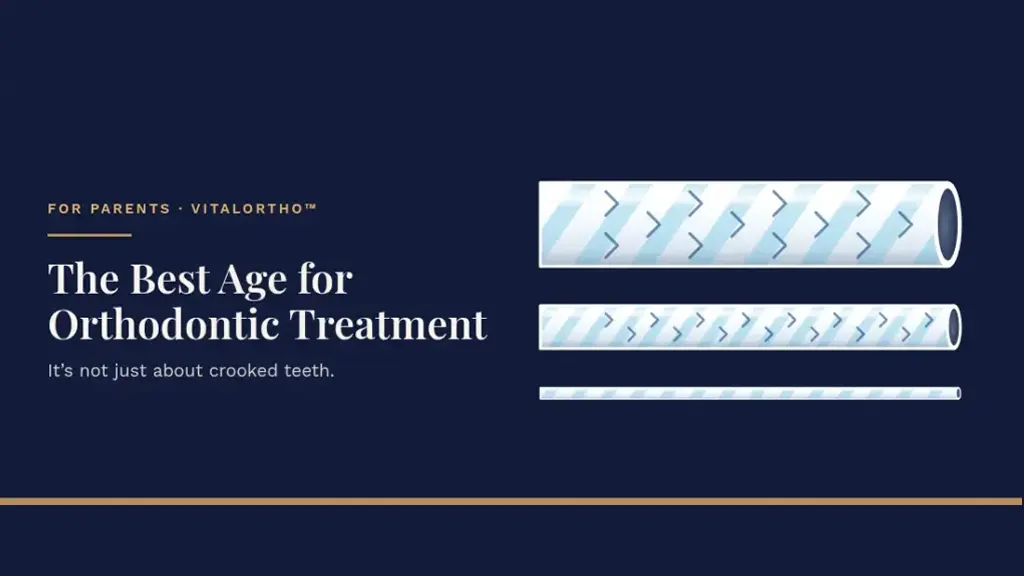
Dr. Afzali often explains the airway to parents with a simple picture. Imagine three straws. A large straw lets you drink a lot, quickly. A medium straw gives a steady flow, but not much of it. A tiny coffee straw barely lets anything through.
A child’s airway works the same way. When it’s narrow, it can be harder for the body to get the oxygen it needs during sleep, and over time the body may start to show it through some of the signs above.
Before & After
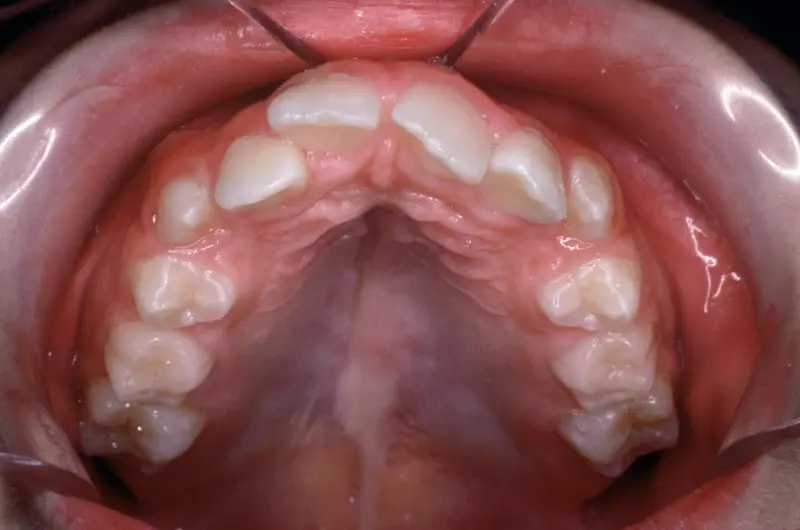
Here are a few examples of what early care can look like in growing children.
Crowded teeth (upper arch)
Before
After
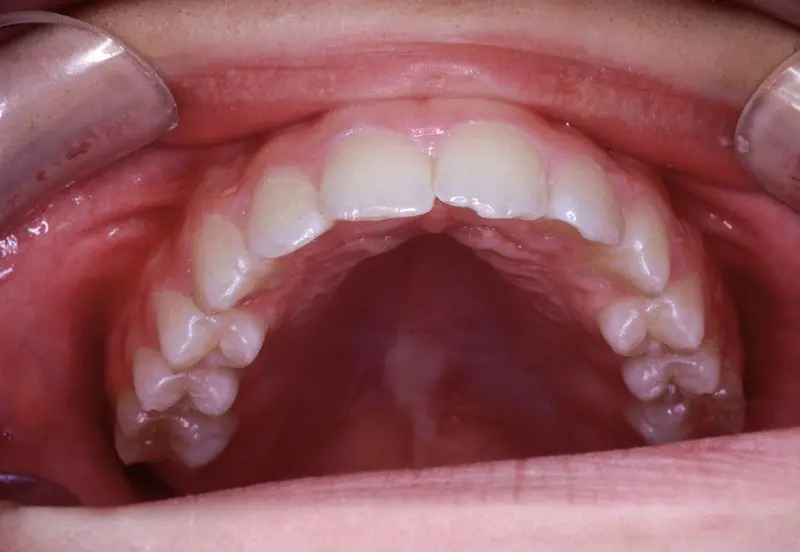
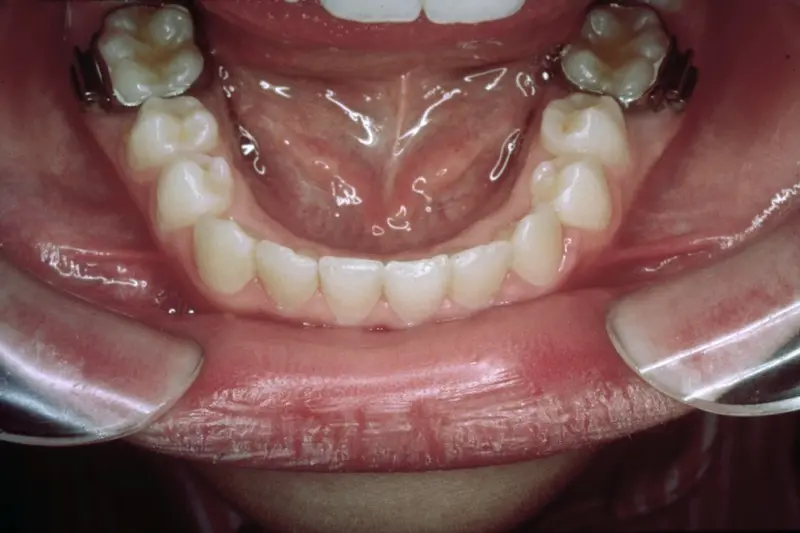
Crowded teeth (lower arch)
Before
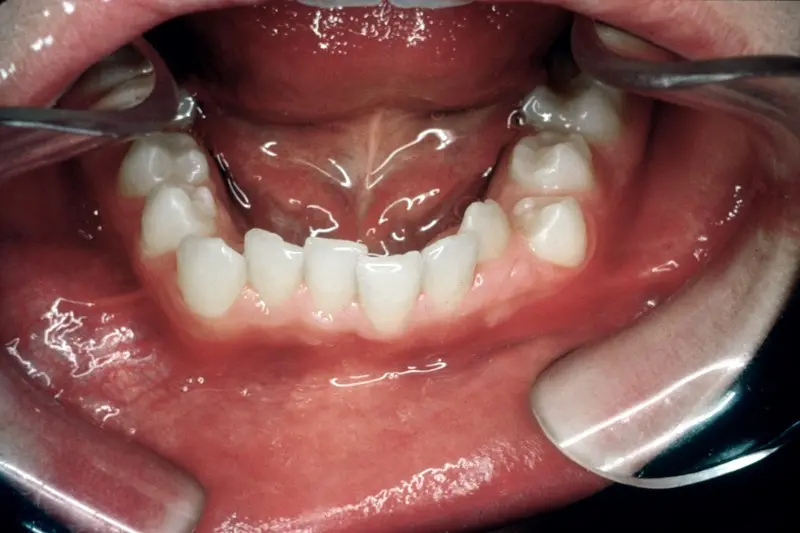
After
Gummy smile
Before
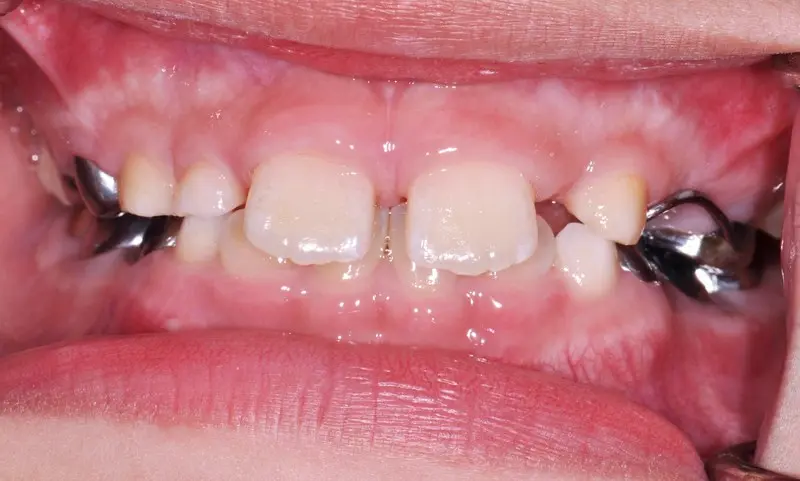
After
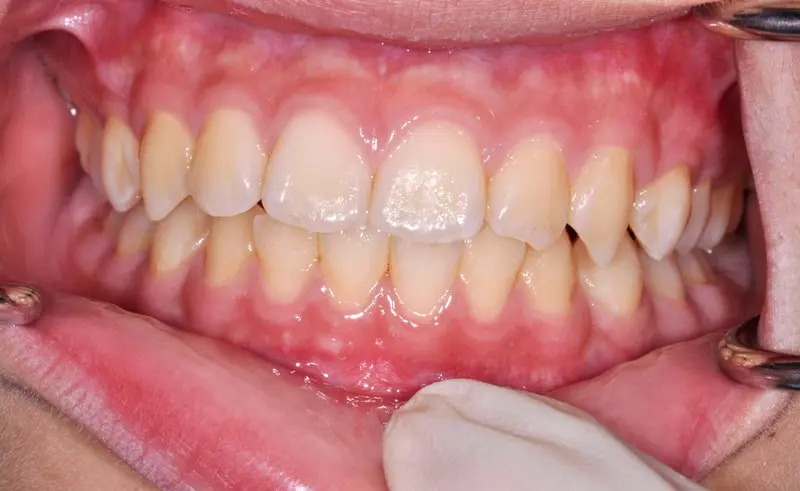
Example cases provided by Healthy Start. Individual results vary.
Why We Look Beyond the Teeth
Most parents come in thinking about straight teeth. Usually, they are surprised when we shift the conversation to the whole structure: the size of the upper and lower arches, the size and position of the tongue, and the tonsils. For many families, it’s the first time anyone has connected these pieces.
That’s the idea behind VitalOrtho™, our holistic, non-surgical orthodontic protocol. Instead of focusing only on alignment, it aims to improve airway flow through gentle, guided expansion of the palate. VitalOrtho may help improve breathing patterns and sleep quality for some patients. Every child is different, and we’ll talk through whether it’s a fit for yours.
What a First Visit Looks Like
- Your concerns first. We listen to what you’ve noticed at home, from snoring to sleep habits.
- A simple sleep and breathing questionnaire. It helps us see the bigger picture quickly.
- An exam of the whole structure. We evaluate oral development, jaw position and bite alignment, plus tongue posture and the airway.
- Clear options. We explain what we see in plain language so you can make an informed choice, with no pressure.
When Families Stay Involved
Some of the early appliances we use are removable, which means parents play a big role. Coaching your child to wear the appliance as directed makes a real difference. When families stay involved, we’ve seen meaningful changes in how children breathe and sleep. Results vary from child to child, and we’ll be honest with you about what to expect along the way.
So, What’s the Best Age?
If it’s only about crooked teeth, there’s often time to wait. If your child snores, grinds, breathes through the mouth or seems tired during the day, the best time to look is now.
Book an appointment with Dr. Afzali at Lifetime Dental to see if we can help
This article is for general education and is not a diagnosis. Sleep apnea and other medical conditions are diagnosed by a physician. Treatment options depend on an individual exam, and results vary.